All You Need to Know Concerning Robotic Vision and Its Applications in Advanced Optical Measurement Equipments
Robotic vision stands for a considerable advancement in the crossway of computer vision, man-made intelligence, and maker discovering. This innovation boosts the precision of optical dimension systems, enabling real-time information evaluation and boosted quality assurance. Its influence spans several fields, from producing to medical care. However, the evolving landscape of robotic vision increases questions about future capacities and applications (robotic vision). What developments exist ahead in this transformative area?
Understanding Robotic Vision: Secret Concepts and Technologies
Robotic vision incorporates the innovations and methods that make it possible for machines to translate and recognize visual info from their atmosphere. This area incorporates elements of computer vision, man-made intelligence, and artificial intelligence to assist in automatic decision-making based upon aesthetic data. Secret ideas consist of picture handling, which entails the improvement and analysis of pictures to remove meaningful features, and object recognition, which allows devices to identify and classify objects within a scene.
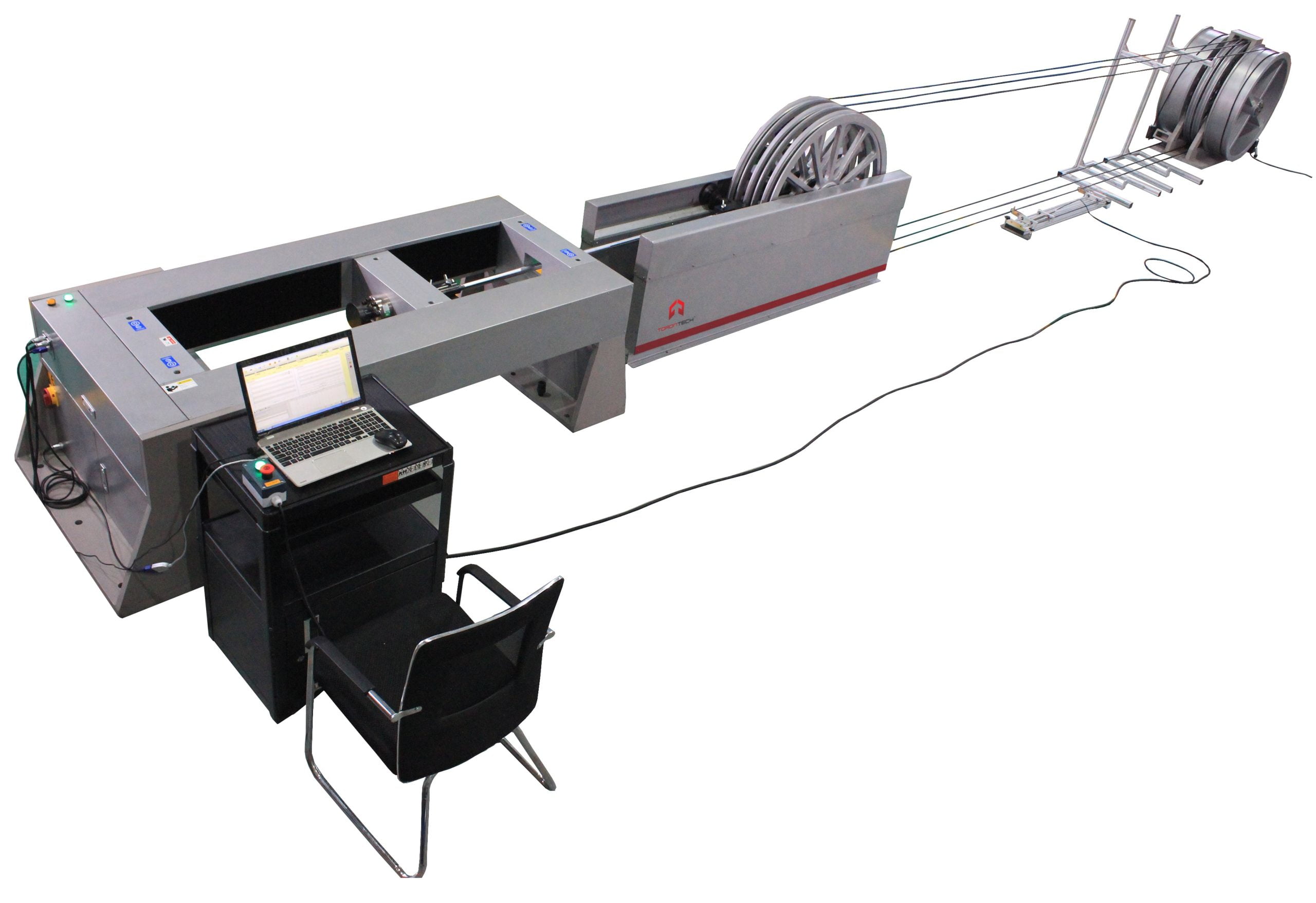
The Assimilation of Robotic Vision With Optical Dimension Equipments
As industries significantly demand accuracy and performance, the combination of robot vision with optical dimension systems has actually become a transformative strategy. This synergy enables robots to perceive and analyze their surroundings, enhancing the capacity of optical measurement systems to assess and assess things with unmatched accuracy. By outfitting optical sensing units with advanced imaging modern technologies, robot vision makes it possible for real-time data collection and handling, helping with immediate modifications to dimension specifications.
The mix encourages automated systems to identify variants in dimensions, surface top quality, and alignment, which are important in high quality control procedures. Boosted algorithms, such as equipment learning, further enhance this assimilation by boosting the systems' capability to adjust to different atmospheres and scenarios. Subsequently, the integration not only enhances measurement processes yet additionally lessens mistakes, ensuring that products fulfill stringent sector standards, therefore strengthening the role of robotic vision in the future of optical dimension systems.
Applications of Robotic Vision in Manufacturing
In contemporary production atmospheres, using vision systems has revolutionized manufacturing processes by allowing machines to perform jobs with amazing precision and speed. Robotic vision systems are increasingly used for quality assurance, where they inspect items for flaws and warranty adherence to requirements. These systems use video cameras and advanced algorithms to evaluate products in real-time, significantly minimizing the danger of human error.
Additionally, robotic vision facilitates automation in production line, allowing robots to accurately determine parts and construct them with very little downtime. This innovation likewise enhances supply monitoring, as vision systems can keep track of supply levels and spot disparities, ensuring a smooth supply chain.
In addition, robot vision help in the execution of clever manufacturing facilities, where data from vision systems can be integrated with various other modern technologies to enhance process. On the whole, the applications of robotic vision in manufacturing demonstrate its important duty in boosting effectiveness, quality, and productivity throughout numerous industries
Robotic Vision in Healthcare: Revolutionizing Patient Care

In rehabilitation, robotic vision aids in checking client progression and tailoring treatment sessions to individual requirements. It sustains physician by automating tasks such as information collection and client surveillance, allowing for even more time to concentrate on direct person interaction. In addition, robotic vision improves telemedicine by making it possible for remote diagnosis and online consultations, connecting the void between clients and doctor. On the whole, the application of robotic vision in medical care is revolutionizing individual treatment, leading to enhanced results, performance, and patient contentment.
Future Patterns and Developments in Robotic Vision Technology
The fast advancement of robot vision technology assures to even more improve its applications across different fields, consisting of medical care. Future trends indicate a considerable shift in the direction of including fabricated intelligence and maker discovering, making it possible for systems to pick up from substantial datasets and boost precision with time. Boosted sensor modern technologies and deep knowing algorithms are anticipated to improve item recognition capacities, allowing robotics to analyze intricate settings better.

In addition, the assimilation of increased truth (AR) with robotic vision will likely transform exactly how robotics help in procedures and diagnostics. This synergy will promote real-time information visualization, improving decision-making processes. Additionally, miniaturization of parts will result in even more small and versatile robot vision systems ideal for a range of jobs. As these innovations unravel, industries will certainly witness boosted automation and efficiency, strengthening robotic vision as a cornerstone of cutting-edge technological remedies.
Often Asked Questions
What Are the Key Components of a Robot Vision System?
The main parts of a robotic vision system consist optical fibre diameter analyser of video cameras for photo capture, processors for information analysis, formulas for interpretation, and actuators for activity. Together, these aspects enable robotics to view and connect with their atmosphere effectively.
Exactly How Does Robotic Vision Improve Precision in Measurements?
Robotic vision enhances measurement accuracy by utilizing innovative imaging innovations, making it possible for accurate item discovery and spatial evaluation. This ability lowers human error, boosts repeatability, and permits real-time adjustments, eventually boosting general dimension reliability and effectiveness.
What Industries Benefit Most From Robotic Vision Technology?
Different industries benefit significantly from robotic vision technology, including manufacturing, health care, farming, and logistics. These markets make use of boosted accuracy, effectiveness, and automation, causing enhanced productivity and minimized operational prices in their corresponding procedures.
Can Robotic Vision Equipments Operate In Low-Light Issues?
Robotic vision systems can undoubtedly work in low-light conditions, making use of advanced sensing units and formulas to improve picture clearness. This capability allows them to execute efficiently in various environments, consisting of commercial and monitoring applications, despite marginal lighting.
What Are the Costs Connected With Applying Robotic Vision?
The expenses related to implementing robot vision vary considerably, affected by elements such as electronic cameras, software application, and integration. Added costs consist of upkeep, training workers, and prospective upgrades to existing systems, which can accumulate over time.